



What Causes Engine Oil to Foam and How To Fix It
You check your oil and expect a smooth, consistent fluid. Instead, you see bubbles or a frothy texture. It’s easy to ignore at first, but oil foam signals a deeper issue inside your engine that you shouldn’t overlook. When you understand what causes engine oil to foam, you’re prepared to fix it and avoid expensive repairs.
Let’s break down what’s happening, why it develops, and how you can correct it before it leads to long-term damage.
Air Contamination Inside the Oil System
Air enters the engine oil more easily than most people expect. High-speed moving parts churn oil constantly, and even small disruptions can introduce trapped air.
Excessive air contamination often comes from overfilled oil levels, worn seals, loose connections, and inefficient crankcase ventilation. When oil levels rise too high, the crankshaft begins to whip through the oil, creating foam instead of maintaining a stable liquid layer.
You’ll see this problem in engines that run at higher RPMs or carry heavier loads. The more agitation the oil experiences, the easier it becomes for air to stay trapped inside it.
Coolant Leaks and Moisture Contamination
Foam sometimes points to contamination rather than simple aeration. Coolant mixing with oil creates a milky, frothy texture that signals a serious issue.
Head gasket failures, cracked engine components, or leaking seals allow coolant to enter the oil system. Once that happens, the oil loses its ability to lubricate properly.
Cold weather and short driving cycles can also introduce moisture buildup. Engines that don’t reach full operating temperature allow condensation to accumulate, which contributes to foaming.
Oil Degradation and Breakdown
Oil doesn’t last forever, even under normal conditions. Heat, oxidation, and contamination break down its structure and reduce its ability to resist foaming.
As oil ages, it loses the additives that help maintain stability. Without those protective properties, it becomes more susceptible to aeration and foam formation. You’ll see this more frequently when oil changes get delayed or skipped entirely.
Degraded oil also struggles to maintain proper viscosity. It becomes thinner or inconsistent, increasing the likelihood of bubbles forming under pressure.

Wrong Oil Type or Improper Additive Use
Not all oils behave the same under stress. Using the wrong viscosity or incompatible formulations destabilizes the engine.
Mixing different oil types, ignoring manufacturer specifications, or using low-quality products can lead to foaming. Some oils lack the anti-foam properties required for modern engines, especially those operating under demanding conditions.
There’s also a point where adding the wrong treatment does more harm than good. If a product disrupts the oil’s balance instead of supporting it, foam becomes more likely.
Mechanical Issues That Trigger Foaming
Foaming doesn’t always start with the oil itself. Mechanical problems inside the engine can create conditions for foam to develop.
Worn oil pumps reduce pressure consistency, damaged bearings increase turbulence, and clogged filters restrict flow. Each issue forces oil to move in unstable ways, introducing air and preventing proper circulation.
If you’ve ruled out contamination and oil quality, it’s time to inspect the engine’s internal components more closely.
How To Identify Oil Foaming Early
You don’t need advanced tools to spot early signs of foaming. Paying attention to a few key indicators helps you catch the problem before it escalates.
- Oil appears bubbly, frothy, or milky on the dipstick
- Engine runs hotter than normal under regular conditions
- Oil pressure fluctuates instead of remaining stable
- You hear increased engine noise or rough operation
- Exhaust shows unusual smoke linked to contamination
Each of these signs indicates reduced lubrication efficiency. When oil can’t maintain a consistent film, engine components wear faster than they should.
Practical Ways To Fix Engine Oil Foaming
Fixing foaming oil requires a direct approach. You’ll need to check your oil level and adjust it to the correct range. If you’ve overfilled the engine, draining the excess immediately reduces agitation.
It’s also important to watch for coolant leaks and repair any damaged components before replacing the oil. Switching to the correct oil type with proper anti-foam properties improves stability under pressure. If your oil has already degraded, a full oil change becomes necessary to restore performance.
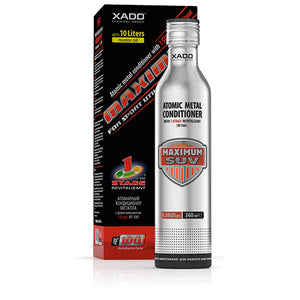
In cases where internal wear contributes to turbulence, addressing friction and surface damage becomes part of the solution. That’s where targeted treatments come into play. A properly formulated diesel oil treatment supports lubrication stability in high-load engines, helping reduce conditions that lead to aeration when used as part of a broader maintenance plan.
Prevent Oil Foam Before It Starts
Prevention always costs less than repair. Once you understand what creates foaming, you can adjust your maintenance habits to avoid it entirely.
Keep your oil within the correct level range and avoid topping off unnecessarily. Follow a consistent oil change schedule based on your driving conditions, not just mileage alone. Use oil that matches your engine’s specifications and avoid mixing incompatible products.
You should also pay attention to how your engine operates. Short trips, heavy loads, and extreme temperatures all influence how oil behaves. Adjusting your maintenance routine to match those conditions keeps it stable.
Why Foaming Oil Causes Long-Term Damage
Foam actively interferes with your engine’s functions. When oil contains air, it can’t create the protective film needed to separate moving parts.
Metal components begin to make direct contact, which increases friction and heat. Over time, this leads to accelerated wear, reduced efficiency, and potential engine failure.
Oil pressure also becomes inconsistent when foam enters the system. Pumps struggle to move aerated oil effectively, which creates gaps in lubrication where damage can occur.

Maintenance Habits for Engine Longevity
Every decision you make around oil affects the engine's performance. Foaming is a warning sign that something in your maintenance routine or engine condition needs attention.
Drivers who stay consistent with inspections, use quality products, and address issues early see fewer long-term problems. Engines respond directly to the environment you create for them, and oil plays a central role in that equation.
When you take a proactive approach, you reduce the risk of unexpected breakdowns and extend the usable life of your engine components.
Closing Thoughts
Foaming oil doesn’t fix itself. It reflects a combination of factors that require attention, from contamination and degradation to mechanical wear and improper maintenance. Once you understand the causes of foamy oil and how to fix it, you gain control over a problem that many drivers overlook.
XADO approaches engine protection by focusing on restoring and supporting metal surfaces under friction, which aligns with the long-term thinking required to prevent issues like oil foaming. If you’re looking to strengthen your maintenance strategy and protect your engine under demanding conditions, it’s worth considering durable solutions rather than short-term fixes.