



Everything You Need To Know About Car Engine Oil Grades
Car engines rely on precision, yet many drivers overlook the role oil plays in keeping everything moving smoothly. The topic of oil grades can feel technical at first glance, but it directly affects performance and reliability. If you’ve ever stood in front of a shelf of oil bottles wondering which one fits your car, you’re not alone. This guide breaks down everything you need to know about oil grades for car engines so you can make confident, informed decisions.
Break Down Oil Labels
Oil labels pack useful information into a short format. A label like 5W-30 tells you about the oil’s response to winter temperatures and engine heat. The “W” stands for winter, not weight, which surprises many drivers.
These numbers directly affect oil circulation and the protection of moving parts. As a result, choosing the right grade improves startup performance and keeps internal components protected under stress. Here’s a clear breakdown of what those numbers represent:
- The first number indicates cold-start viscosity and flow during startup
- The “W” shows the oil meets winter performance standards
- The second number reflects viscosity at normal engine temperature
- Lower first numbers support quicker circulation in cold weather
- Higher second numbers maintain thickness under engine heat
Why Viscosity Matters
Viscosity controls oil movement through your engine. If oil flows too slowly, it won’t reach critical components in time during startup. On the other hand, oil that becomes too thin under heat won’t maintain a strong protective film.
Engines depend on the balance between flow and thickness. Therefore, using the wrong viscosity disrupts that balance and increases wear.
Cold Start Performance
Cold starts put the most stress on an engine because oil hasn’t fully circulated yet. A lower first number, like 0W or 5W, helps oil move quickly during those first seconds. Faster circulation reduces friction between metal surfaces before the engine warms up. As a result, the engine experiences less strain during ignition and early operation.
High Temperature Stability
Once the engine heats up, oil must maintain enough thickness to protect moving parts. A higher second number, such as 30 or 40, prevents the oil from thinning out under heat. This stability keeps a consistent barrier between components, even during long drives or heavy loads. Engines that run hot benefit from oil grades that hold their structure under pressure.

Common Oil Grades Used
Manufacturers recommend specific oil grades based on engine design, climate, and performance goals. Drivers should always check the owner’s manual before choosing an oil grade. Here are some commonly used oil grades and where they fit:
- 0W-20 supports modern engines focused on fuel efficiency
- 5W-30 works well in a wide range of passenger vehicles
- 10W-30 suits moderate climates and older engines
- 10W-40 handles higher temperatures and heavier loads
- 15W-40 fits diesel engines and heavy-duty applications
Synthetic vs Conventional Oil
Synthetic oil offers a more refined structure, which allows it to perform consistently across a wider temperature range. It resists breakdown under heat and flows smoothly in cold conditions. Conventional oil, in contrast, comes directly from crude oil and contains more impurities.
Drivers who choose synthetic oil gain better protection and longer intervals between changes. However, conventional oil still works for older engines or vehicles with less demanding conditions. The choice depends on your engine’s needs, driving habits, and manufacturer’s recommendations.
Blend Options Explained
Blended oils combine synthetic and conventional bases to create a middle-ground solution. They offer improved performance compared to conventional oil without the full cost of synthetic. Many drivers choose blends when they want added protection without switching completely. This option works well for moderate driving conditions and standard maintenance routines.
Additives and Oil Performance
Engine oil contains compounds that improve its effectiveness under stress. These compounds help manage heat and reduce deposits. Among them, motor oil additives enhance lubrication by supporting friction reduction, cleaning internal components, and stabilizing oil performance.
While oil grade determines viscosity, additives influence oil performance under real-world conditions. Together, they create a more complete approach to maintaining engine health.
Cleaning and Protection Roles
Additives help break down sludge and prevent buildup inside the engine. Cleaner internal surfaces allow oil to flow more freely and maintain consistent coverage. This process supports smoother operation and reduces the likelihood of deposits interfering with performance. Over time, cleaner engines maintain efficiency and respond better to regular maintenance.
Choose the Right Grade
Selecting the correct oil grade depends on more than just temperature. Engine design, mileage, and driving style all play a role in determining the best option. High-mileage vehicles may benefit from slightly thicker oil, while newer engines rely on lower viscosity for efficiency.
Drivers who pay attention to manufacturer guidelines avoid unnecessary wear and performance issues. In addition, climate conditions influence how oil behaves, which makes regional considerations important. The right choice always aligns the vehicle with its environment.
Manufacturer Recommendations
Automakers test engines with specific oil grades to achieve optimal performance. These recommendations reflect how internal components interact under different conditions. Following those guidelines keeps the engine running as intended. Ignoring them introduces variables that reduce efficiency and increase long-term wear.

Signs You Chose Wrong Oil
Incorrect oil grades reveal themselves through noticeable changes in engine behavior. Drivers may hear unusual noises, experience rough starts, or notice reduced fuel efficiency. These signs point to improper lubrication or inconsistent oil performance.
Engines that run too hot or struggle during cold starts often indicate a mismatch in viscosity. Addressing the issue early prevents further damage and restores normal operation. Paying attention to these signals helps drivers correct mistakes before they affect long-term reliability.
Seasonal Considerations
Temperature shifts affect how oil performs throughout the year. Colder climates require lower viscosity for easier startup, while warmer conditions demand oil that maintains thickness under heat. Seasonal adjustments keep engines protected as conditions change.
Drivers who live in regions with extreme temperature swings benefit from multi-grade oils. These oils adapt to both cold and hot conditions, which reduces the need for frequent changes. As a result, the engine stays protected year-round without constant adjustments.
Understanding oil grades gives drivers a clearer path to maintaining their car’s engine with confidence. Every vehicle relies on the right balance of flow and protection, and oil plays a central role in achieving that balance. Small choices, like selecting the correct viscosity, shape long-term performance and reliability.
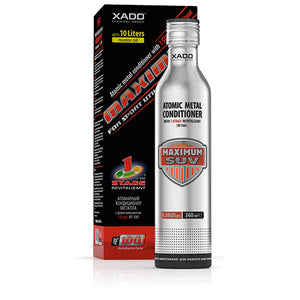
For those looking to go deeper into engine protection, XADO Tech offers solutions built around advanced metal treatment and restoration concepts. Take a closer look and see how a smarter approach to engine care can elevate your maintenance routine.